

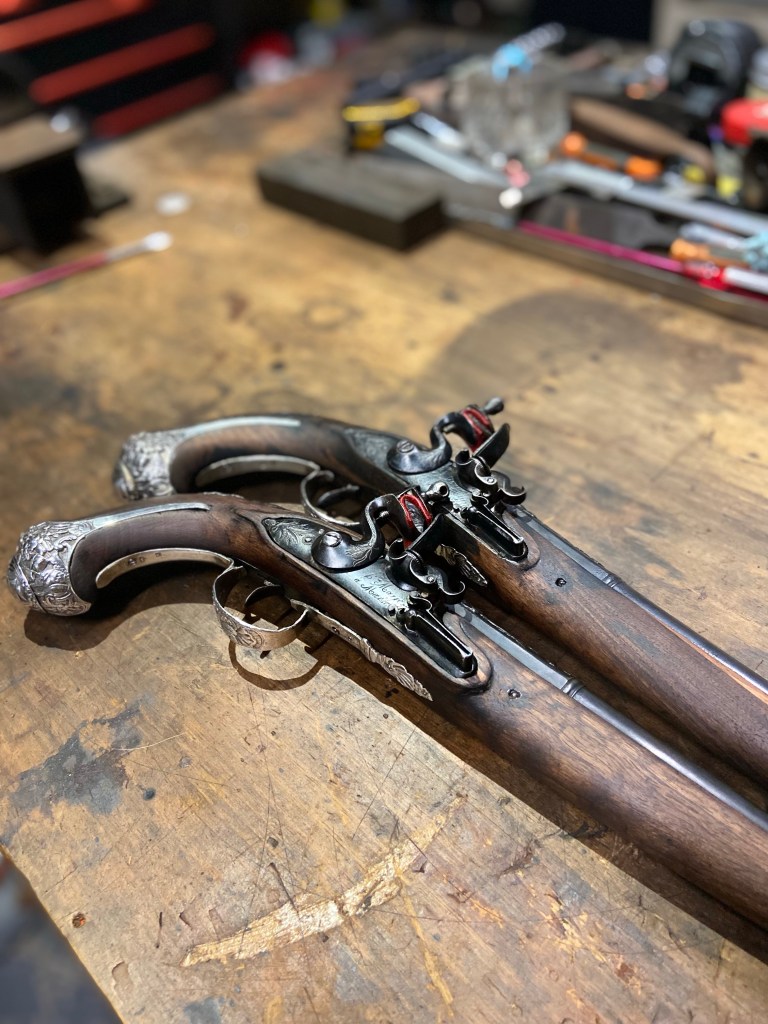
When does an old gun become an antique and when does an antique become un-serviceable ??
If you’re out shooting grandads old side by side on the weekend busting clays and giving the ducks a hiding and like any good shooter you clean her up at the end of the day and put it in the safe, what if tomorrow it was suddenly the day it became an antique or worse no longer usable “what time did this happen” you might ask yourself did I miss it.
All jokes aside this is quite an interesting thought experiment. At what point did these once functional tools become an item for display only or don the title of antique, and more to the point if it’s an antique does that automatically mean it’s not able to be used as a hunting rifle or trap gun anymore ?
There is a technical answer in the sense anything pre 1800 is classified as antique I’ll attempt to explain some to the issues surrounding antique and old firearms when deciding what to do with them.
Apart from changes in ammunition and lead shot being basically impossible to purchase in most countries anymore the systems that regulate pressures and test standard hasn’t changed massively since the introduction of smokeless powders and there are sources available for information regarding black powder rifle proof standards but black powder is a story for another day.
If steel shot isn’t an issue with the gun you’re dealing with and it’s proofed some time in the last 150 years it’s a pretty safe bet the barrel can handle an appropriate modern cartridge provided it’s inspected thoroughly and there is no other issues like the ones I’ll get into next.
So what else could go wrong ? It shot fine last time it was used and it’s just sat in the safe surely the safe fairies haven’t been wailing on on it with tiny hammers all these years wearing out the gun so what else could could it be ?
Firearms were essentially built for one purpose (firing projectiles) so they are simple in nature by design but they are not impervious to fault or failure and in regards only to the materials used, manufacturing technology has come a long way even in the last 60 years so the quality and consistency of some old materials can be called to question, but if it’s stood the test of time there is quite a good chance it’s of the highest quality available at the time.
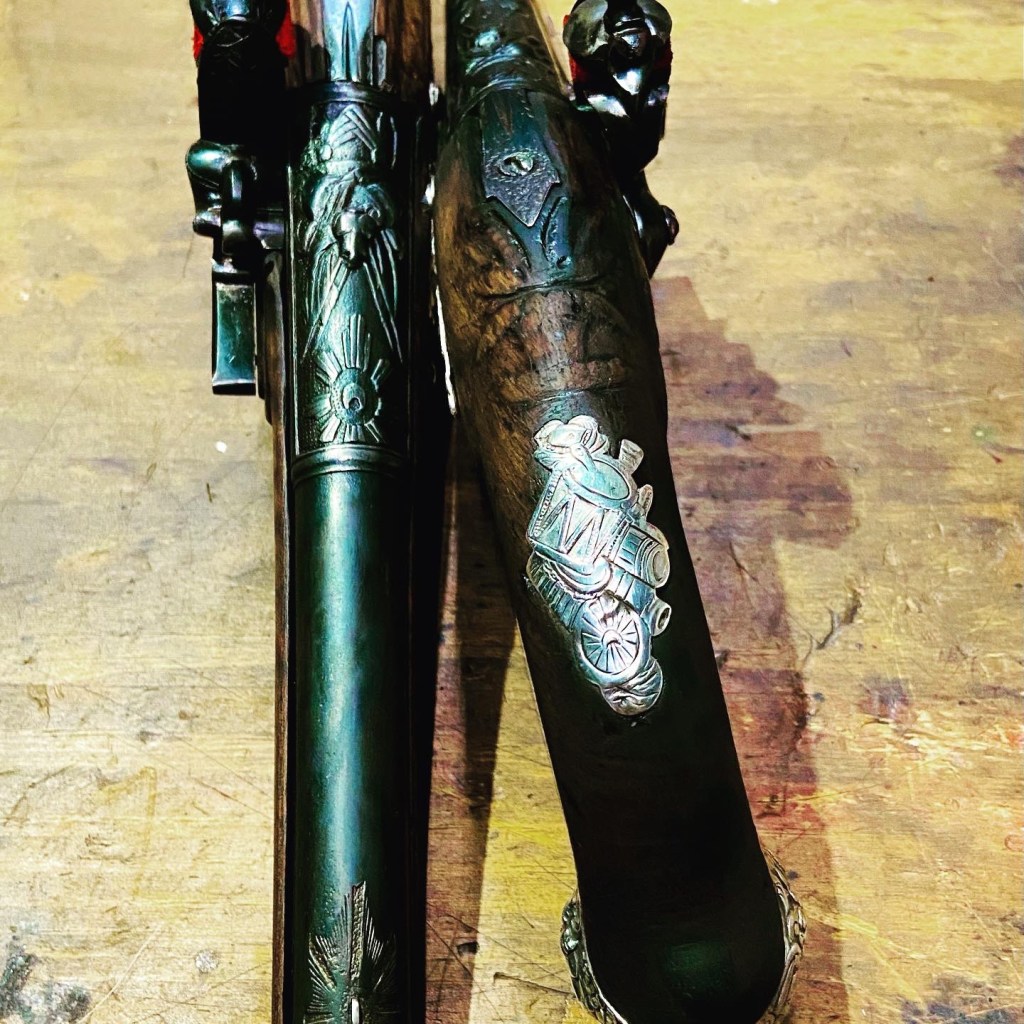
As well as manufacturing quality and consistency in materials getting better the same has been so for ammunition. This poses one of the most likely causes for de-commissioning an old firearm bulged deformed and cracked barrels from over-pressuring caused by old ammo. The use of Mercury and other corrosive powders and primers in older ammunition could wreak havoc on a gun if it wasn’t taken care of and cleaned properly through its life. This type of corrosion will manifest in the form of pitting close to the breach end of the barrel.
A good check over with the correct tools and measuring equipment will be able to identify any problems with the barrels ability to handle continued use but there are some more considerations to be had.
Double barrel rifles are affixed by a rib regardless of their orientation the only difference being regulation pitch as side by sides cross over steeper than over under orientation due to the aiming and shooting style of the two. In modern rifle manufacturing and in some older style makers silver solder is the preferred method of fastening. lead and tin were very common place in older manufacturing. Long periods of storage can sometimes mean lead solvents may end up eating away at this important feature although very unlikely it is possible if someone was careless with cleaning products before storage.
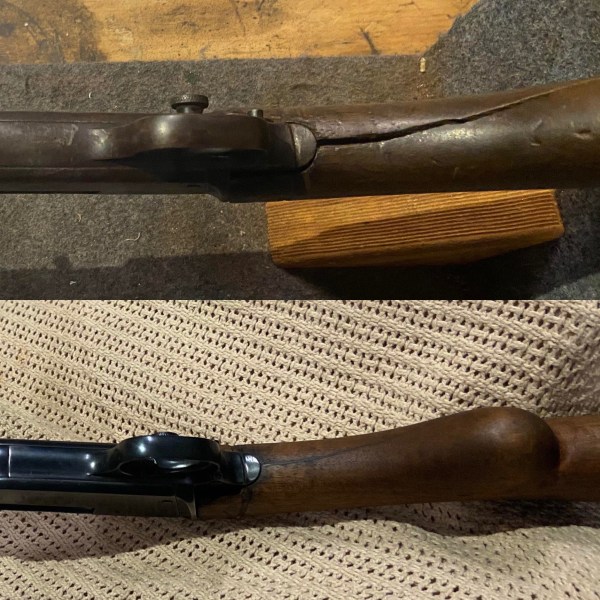
But not all components are made equal and arguably the most important being the lock or the action, wear and tear fatigue and the elements can all slowly deteriorate components of the action lock and could eventually lead to a catastrophic failure. These are rare as the signs manifest over time in the form of misfires slop in the lock of the action stuck shells blowback and other issues in operation .
There will always be the occasional issue outside these common problems but these are the main points of focus when assessing a gun for serviceability.
Lastly and the most difficult to define is emotion there are a lot of reasons to retire a firearm be it preservation or out of respect for its history or previous owners the choice to do so is one that can be difficult to understand to outsiders but this one is 100% personal preference.
Sometimes we’re forced to hang them on the wall sometimes we do it out of respect to the history and to pay homage to the piece but whatever the reason, better on the wall than lost to the halls of history to fade away as a memory.
And for those lucky enough to be able to utilise a piece of history to make new memories with ,it truly is a blessing and its story deserves to be told and doing so by using it as it was originally designed is one of the best ways I can think to do just that .


 NQ Top Gun Restoration, Maintenance and Repair